When embarking on a home remodel in the East Valley—whether you’re updating a functional kitchen in Gilbert or designing a custom master suite retreat in Scottsdale—the material selection phase is where your architectural vision truly takes shape.
For the high-end homeowner, choosing materials isn't simply about aesthetics; it’s about understanding how different tiers of premium materials perform over time, how they stand up to daily life, and how they protect your property equity. To help you navigate your design journey with absolute confidence, here is a transparent, professional guide to remodeling materials options.
Cabinetry is typically the largest line item in a kitchen or bathroom remodel. Costs vary drastically based on how they are manufactured and the materials used inside the box.
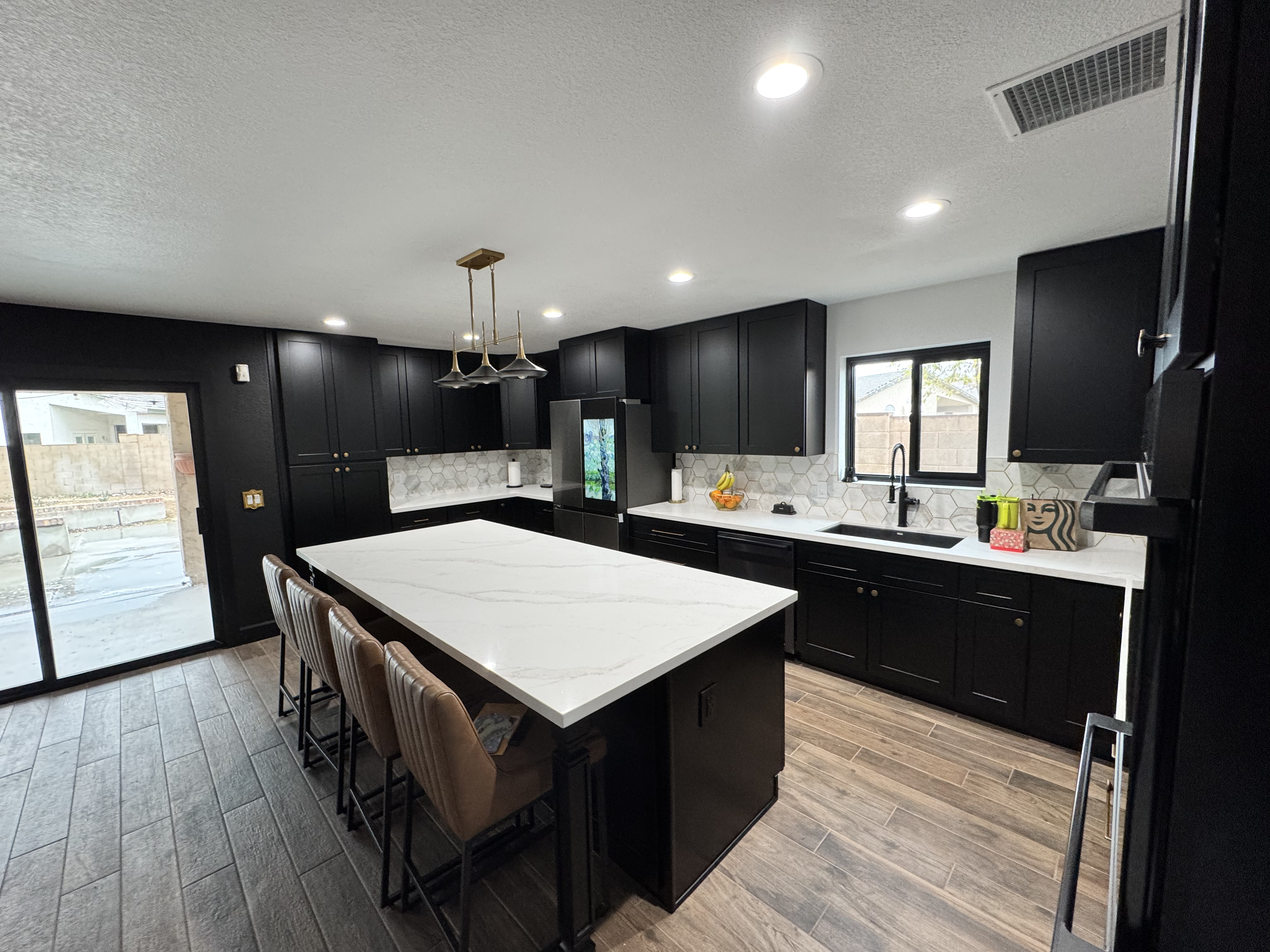
What it is: Mass-produced, pre-fabricated cabinets made from compressed wood shavings bound by resin, finished with a thin laminate or veneer wrapper.
Why it’s a good fit: It is the lowest cost option on the market. If you need a fast, functional update for a rental property, a house flip, or a strict budget refresh, this is a highly economical choice.
Why it’s not a good fit: Longevity is limited. Particleboard is highly susceptible to moisture damage; if a sink leaks, the material swells and loses structural integrity. The doors and hinges can sag over time under heavy daily use.
The Cost Verdict: Cheap. You are getting the lowest entry price, but you will likely need to replace them much sooner.
What it is: Factory-built cabinets ordered in standard size increments but offering choices in door styles, paint colors, and organizational inserts. They typically feature a mix of medium-density fiberboard (MDF) doors for smooth painting and partial plywood structural sides.
Why it’s a good fit: It represents the standard "average cost" for most family home renovations. It strikes a great balance between decent durability and style flexibility, allowing you to customize your layout without a custom price tag.
Why it’s not a good fit: You are confined to standard manufacturer dimensions. If your home has unique architectural angles or requires highly specific sizing to maximize space, you will run into layout limitations.
The Cost Verdict: Average Cost / A Good Deal. This tier offers the best functional value per dollar for a standard residential remodel.
What it is: Cabinets built entirely from scratch by custom shops using a heavy 3/4-inch all-plywood structural core and premium solid wood faces (like Rift-Sawn White Oak or Walnut), finished with hardened industrial coatings.
Why it’s a good fit: Built to furniture-grade standards, it offers infinite design flexibility—allowing for modern details like fluted paneling or ultra-thin micro-shaker profiles. It easily supports heavy stone countertops and handles decades of heavy daily use without warping or sagging.
Why it’s not a good fit: Requires a significant upfront financial investment and longer manufacturing lead times since nothing is pre-made.
The Cost Verdict: High-End and Expensive. This is an investment choice meant for long-term homeowners who want precise, tailor-made layouts and maximum durability.
Kitchen countertops are high-impact workspaces. The material you choose dictates how much heat, scratch, and stain resistance you will have during daily meal prep.
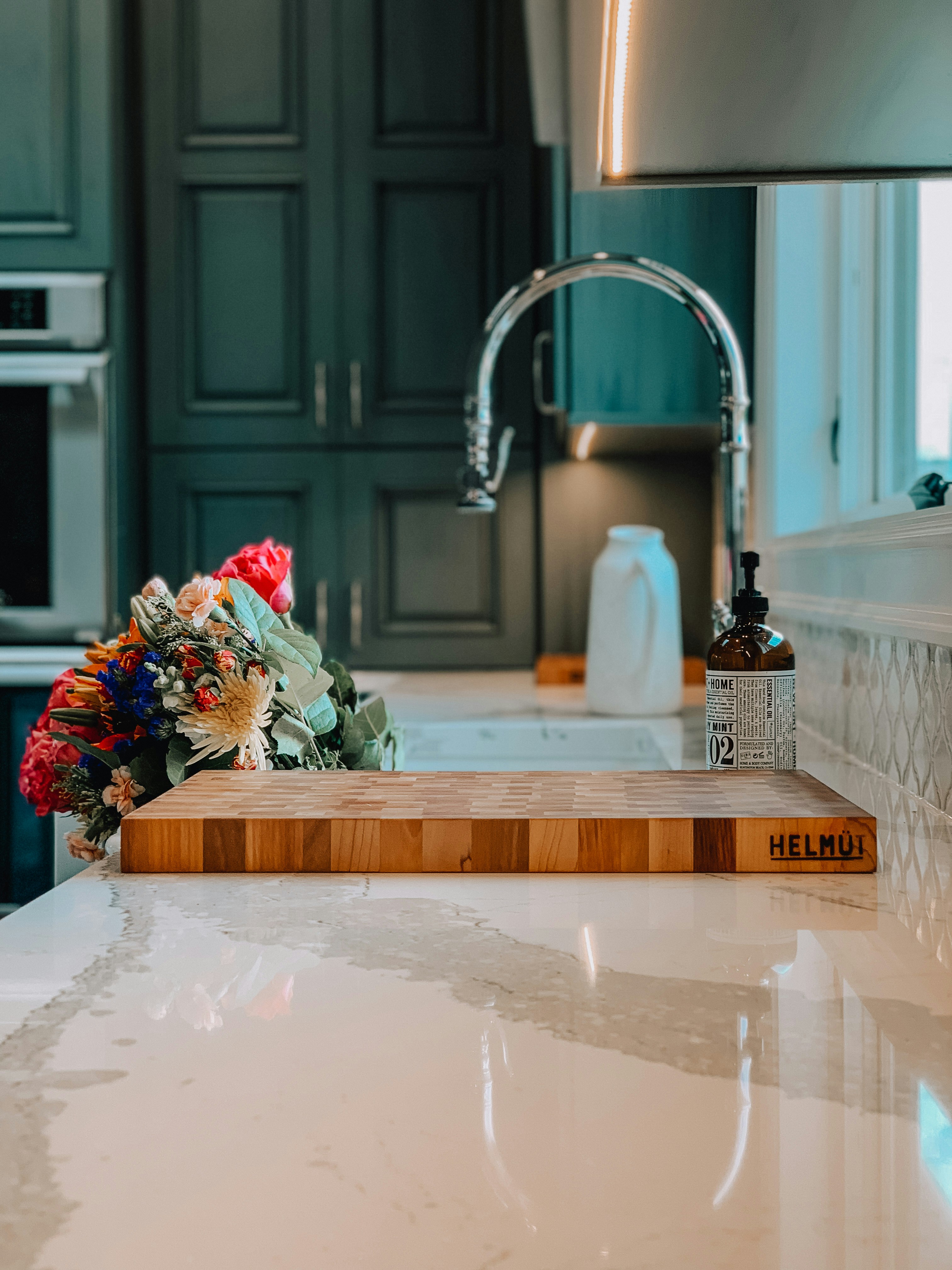
What it is: Laminate consists of a plastic-coated synthetic layer glued over a particleboard core. Prefab granite consists of thin, pre-cut natural stone blanks manufactured in mass quantities overseas.
Why it’s a good fit: Highly affordable and widely accessible. Modern laminates can mimic stone patterns convincingly at a fraction of the cost, making them excellent for budget kitchen updates.
Why it’s not a good fit: Laminate can scorch if a hot pan touches it and cannot be repaired if scratched or gouged. Prefab granite offers limited color variations and requires visible seams on larger layouts or custom islands.
The Cost Verdict: Cheap. An excellent choice if keeping initial expenses low is the primary goal.
What it is: A manufactured slab made from roughly 93% crushed natural quartz crystals bound together with high-performance polymer resins.
Why it’s a good fit: It is the standard go-to for modern family kitchens. It is entirely non-porous, meaning it is completely stain-resistant and requires absolutely zero periodic sealing or specialized chemical cleaners. It handles busy cooking, spills, and heavy traffic with ease.
Why it’s not a good fit: It is not entirely heat-proof; placing a boiling pot directly on the surface can discolor the resin binding agent. It is also susceptible to UV fading if used in outdoor patio kitchens.
The Cost Verdict: Average Cost to High-End. Depending on the brand and pattern complexity, quartz bridges the gap between a standard good deal and a luxury investment.
What it is: Rare natural metamorphic stones (like Taj Mahal or White Macaubas) sourced in solid blocks, or continuous engineered porcelain sheets.
Why it’s a good fit: Natural quartzite offers the dramatic, elegant veining of marble but possesses the immense scratch resistance and heat tolerance of granite. Continuous porcelain sheets are completely impervious to stains, scratches, and UV rays, making them perfect for seamless indoor-outdoor living transitions. They offer an unmatched, one-of-a-kind visual impact.
Why it’s not a good fit: These materials require specialized master fabrication and reinforced framing to handle the immense weight, adding significantly to the labor cost.
The Cost Verdict: Expensive. This tier represents a premium investment reserved for statement culinary spaces where natural uniqueness or high-end performance is preferred.
Bathroom vanities deal less with high heat and heavy pans, but face constant exposure to moisture, cosmetics, toothpaste, and chemical cleaners.
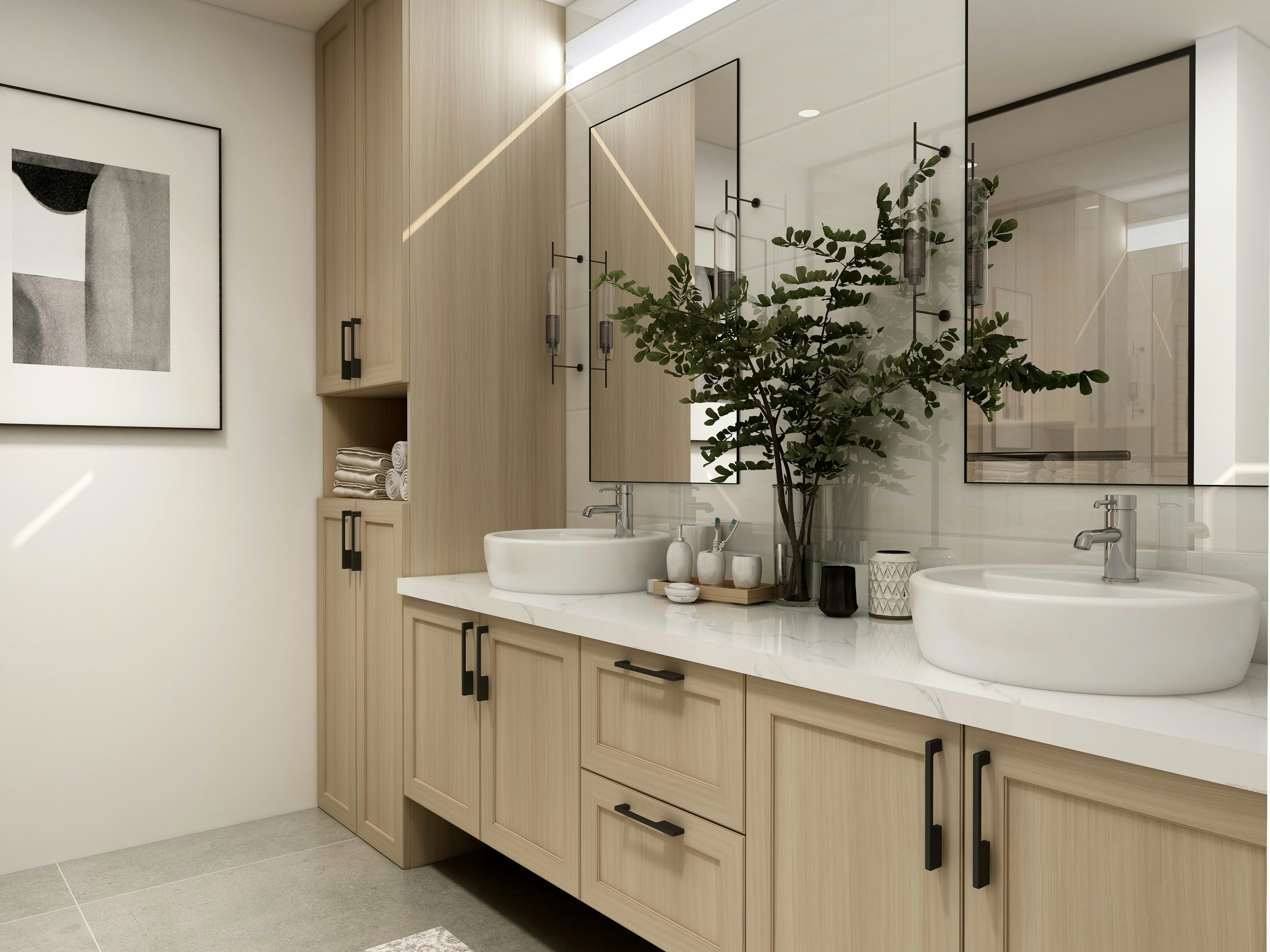
What it is: Cultured marble is a blend of fiberglass resin and crushed limestone cast in standard mold sizes. Prefab pieces are standard pre-cut smaller stone blanks designed to fit standard vanity sizes.
Why it’s a good fit: Exceptionally low cost and easy to install. It often comes with the sink basin already built into the top, making it a very economical choice for a fast guest bathroom update.
Why it’s not a good fit: Cultured marble can scratch easily and can be permanently damaged or stained by harsh chemicals like nail polish remover. Style options are heavily restricted to basic designs.
The Cost Verdict: Cheap.
What it is: Manufactured quartz slabs tailored to bathroom sizes.
Why it’s a good fit: Provides absolute peace of mind in a wet environment. Because it is non-porous, it won't absorb water, makeup, or hair dye, and it never requires sealing. It handles daily family use perfectly.
Why it’s not a good fit: You must be mindful of hot hair styling tools, as extreme direct heat from curling irons can potentially mark the surface resin over time.
The Cost Verdict: Average Cost. The reliable, worry-free standard for master bathrooms and high-use family vanities.
What it is: Advanced acrylic and polyester resin blends designed primarily for pristine bathroom environments.
Why it’s a good fit: These slabs can be seamlessly thermoformed, allowing the countertop and the sink basin to be cast as one continuous, unbroken piece. This entirely eliminates grout lines or caulk seams where moisture and mold can collect, creating a beautiful, low-maintenance monolithic form.
Why it’s not a good fit: It has a softer composition than natural stone, meaning it can be scratched more easily, though minor scuffs can standardly be buffed out by a professional.
The Cost Verdict: High-End. A premium choice favored for clean, modern aesthetics and ultimate sanitization.
What it is: Authentic premium natural marbles (like Calacatta Viola or Carrara) or specialized dolomites with velvety honed or leathered finishes.
Why it’s a good fit: Authentic marbles and dolomites deliver an unmatched historical depth and luxury that cannot be fully replicated by human engineering, elegantly diffusing light across a space. Because bathrooms don't deal with acidic kitchen elements like lemon juice or wine, homeowners can confidently utilize these striking natural stones to create a high-drama, spa-like vanity focal point.
Why it’s not a good fit: Natural marble remains a softer, porous stone that is prone to etching if exposed to heavy plumbing leaks or harsh chemical cleaners, requiring dedicated maintenance and periodic sealing.
The Cost Verdict: Expensive. The peak of bathroom design, chosen for its timeless aesthetic and high resale prestige.
East Valley flooring must seamlessly bridge the transition between expansive indoor living spaces and outdoor entertainment areas, requiring materials engineered for stability and daily wear.
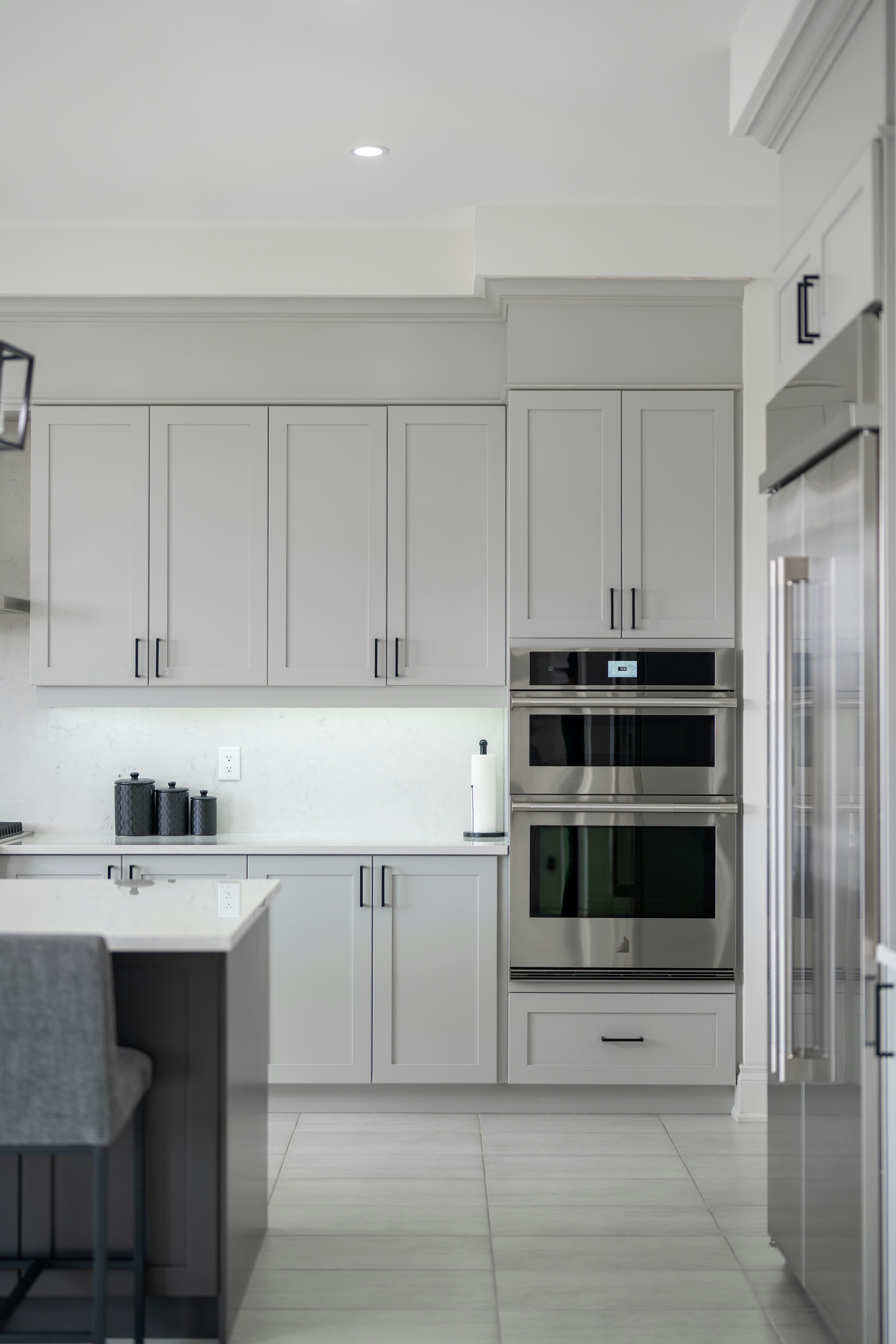
What it is: Thin synthetic planks with a printed photograph layer protected by a basic clear coat, floating over a subfloor.
Why it’s a good fit: Extremely low material cost and very simple to install. Ideal for low-traffic rooms, temporary quick fixes, or tight-budget renovations.
Why it’s not a good fit: Highly sensitive to standing water; moisture between the seams causes the edges to swell and peel permanently. It can scratch easily under pet claws and often feels hollow underfoot.
The Cost Verdict: Cheap.
What it is: An ultra-dense Stone Plastic Composite (SPC) flooring featuring a thick, commercial-grade wear layer and an attached acoustic dampening pad.
Why it’s a good fit: It is currently the most popular choice for standard family homes. It is 100% waterproof, incredibly scratch- and dent-resistant against large pets and kids, and looks remarkably like real hardwood. It represents a fantastic deal for active households.
Why it’s not a good fit: While highly realistic, it does not add the same long-term appraisal value to a high-end estate as genuine hardwood or stone tile.
The Cost Verdict: Average Cost / A Great Deal. Offers the highest durability-to-cost ratio on the market.
What it is: Expansive clay-based tiles (measuring 24"x48" or larger) fired at extreme temperatures to achieve incredible density.
Why it’s a good fit: It is virtually indestructible. It is entirely waterproof, fireproof, scratch-proof, and easily handles tracked-in dirt without showing wear. Large slabs allow for microscopic grout lines, creating a sleek, continuous, monolithic look across the home.
Why it’s not a good fit: It is a rigid, unforgiving surface that can feel cold underfoot and cause standing fatigue unless paired with sub-floor heating. It also requires precision sub-floor leveling during installation.
The Cost Verdict: High-End. A more substantial investment due to the specialized installation labor required to lay massive tiles perfectly flat.
What it is: Planks featuring a thick, genuine hardwood wear layer (like European White Oak) permanently bonded over a stable, multi-layered cross-ply core.
Why it’s a good fit: Delivers the irreplaceable prestige, warmth, and organic underfoot texture of genuine wood. The specialized cross-ply core ensures the planks remain perfectly flat and stable against the dramatic seasonal humidity shifts common in Arizona, unlike traditional solid wood.
Why it’s not a good fit: It requires specialized cleaning care and remains susceptible to deep scratches from heavy impacts or standing moisture if left unaddressed.
The Cost Verdict: Expensive. The peak of residential flooring investments, chosen for its timeless aesthetic and high market resale prestige.
Plumbing fixtures are active mechanical pieces. Choosing a tier changes how well the faucet holds up against local hard water conditions.
What it is: Faucets constructed with plastic internal water ways and lightweight zinc shells, finished with a basic chrome flash plating.
Why it’s a good fit: Minimal cost. Perfect for quick fixes, rental properties, or rarely used guest half-baths where budget preservation is top priority.
Why it’s not a good fit: High failure rate. The internal plastic seals degrade quickly under local hard water, leading to drips, leaks, and finishes that pit or peel away within a few years.
The Cost Verdict: Cheap.
What it is: Faucets built with solid, low-lead brass bodies and internal ceramic disc valves, coated in a baked-on, electrostatically applied matte black shield.
Why it’s a good fit: A highly durable, leak-proof selection at an accessible price point. The solid brass construction gives it a premium weight, while the ceramic valves handle hard water flawlessly without dripping.
Why it’s not a good fit: Matte black finishes can show white calcium or mineral build-up over time from hard water if they aren't wiped down regularly (best paired with a water softener).
The Cost Verdict: Average Cost. The reliable baseline for standard, worry-free residential remodeling.
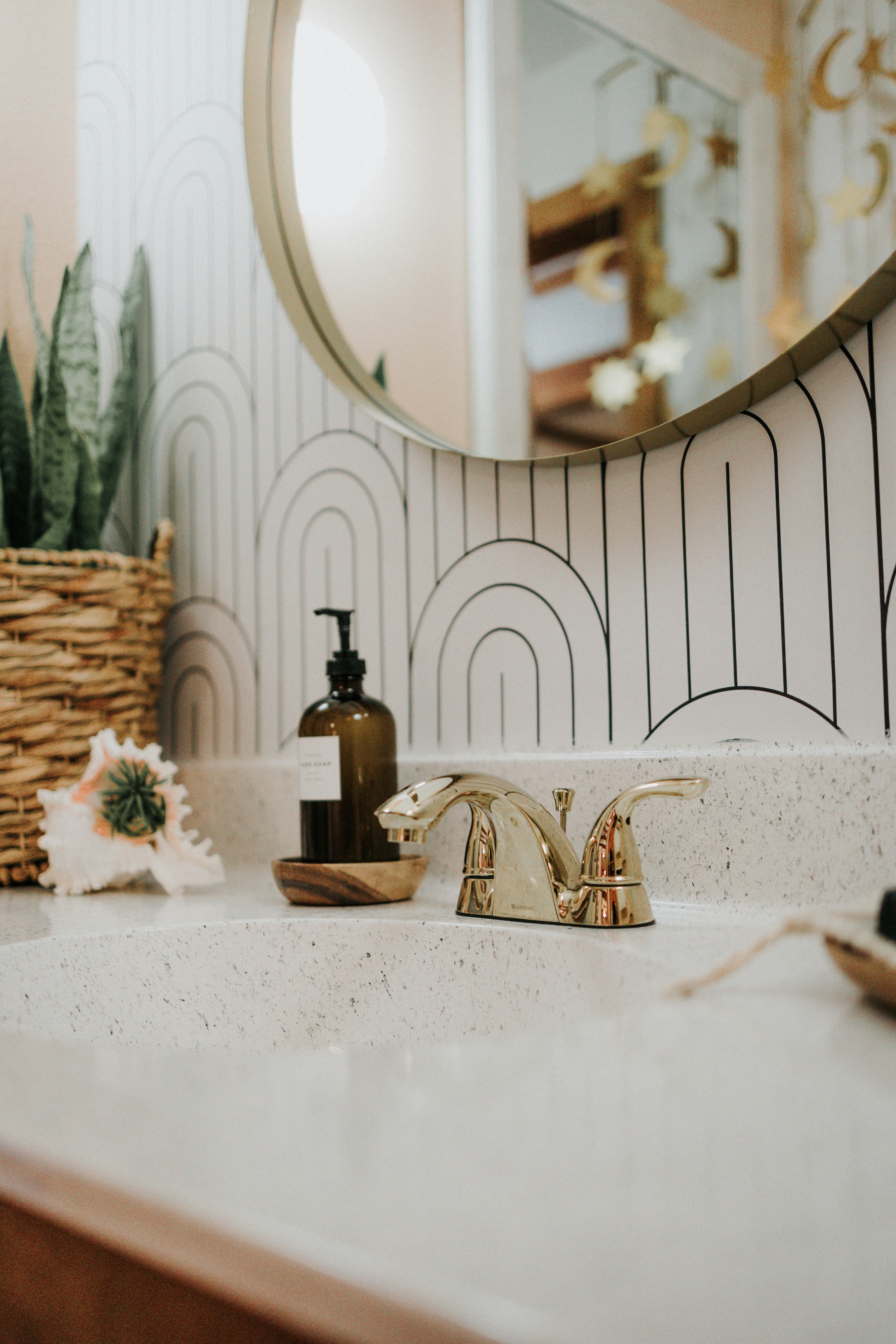
What it is: Faucets utilizing specialty finishes like Brushed Gold or Polished Nickel applied via vacuum-chamber Physical Vapor Deposition (PVD), or raw Unlacquered Brass.
Why it’s a good fit: PVD finishes are molecularly fused to the brass, creating a surface harder than steel that is entirely scratch-, tarnish-, and corrosion-proof against daily cleaning. Unlacquered brass offers a highly sought-after alternative; it intentionally reacts with the air and touch over time to develop a rich, historic golden-brown patina.
Why it’s not a good fit: Carries a premium upfront material cost and requires careful, non-abrasive handling during installation.
The Cost Verdict: High-End and Expensive. Specified for long-term premium performance, specialized aesthetics, and absolute mechanical longevity.
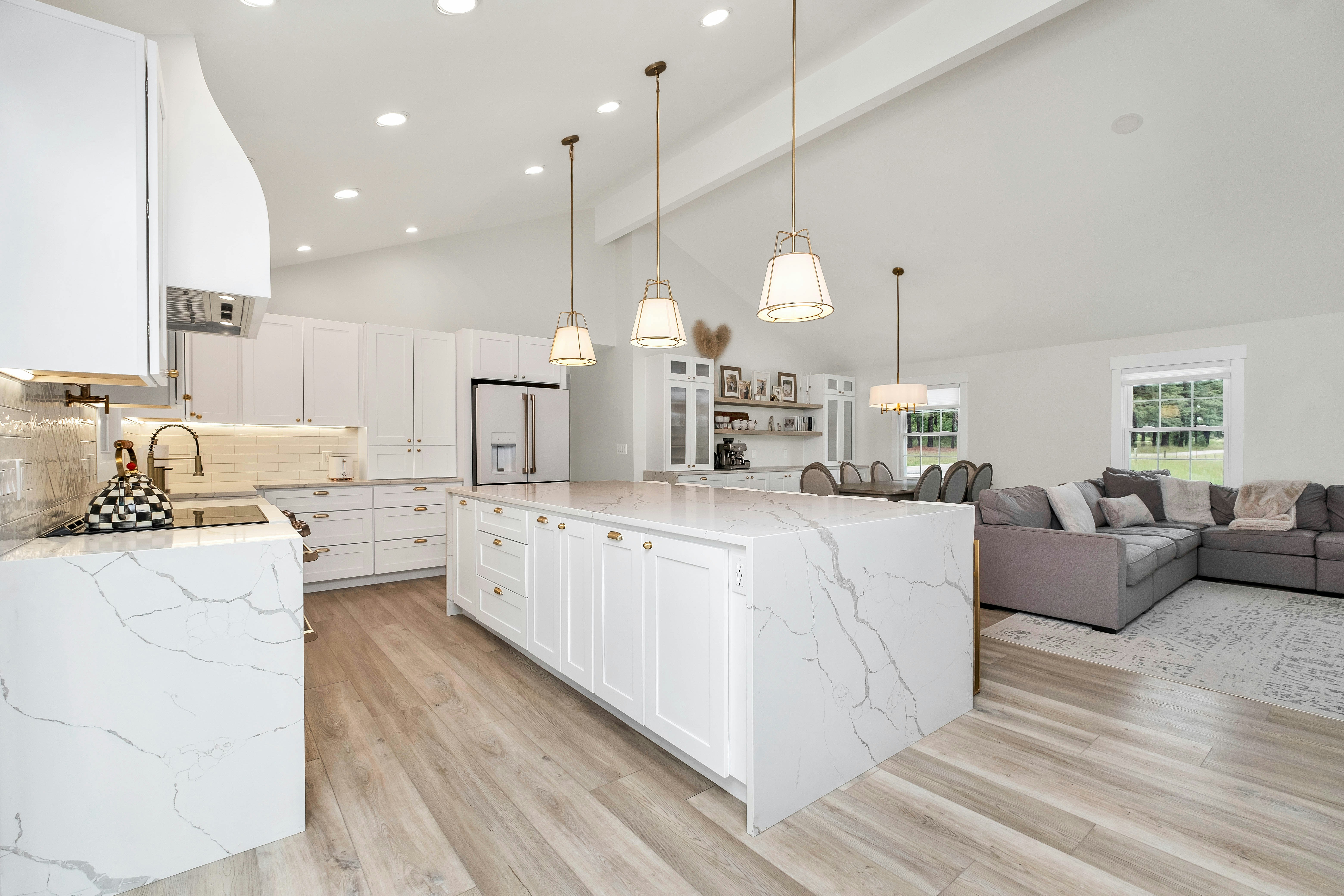
There is no single "correct" material tier for a home remodel. The best strategy is often a mixed approach—allocating more budget to high-traffic areas like kitchen countertops and structural custom cabinetry, while utilizing highly durable mid-range options like rigid-core LVP or premium quartz to keep the overall project budget balanced.
If you are planning an upcoming remodel in Gilbert, Chandler, Mesa, Queen Creek, Tempe, or Scottsdale, navigating these choices doesn't have to be a guessing game. Our design professionals can guide you in choosing, or they can make selections for you to approve. Sifting through options is much easier when you can visualize your choices side-by-side. Our team is here to help you coordinate a clear scope, compare material performances, and design a home that fits your lifestyle perfectly. Contact Centerstone Remodels today to schedule a design and budget consultation.